Insight · Website conversion · Lead generation · CRO

Why your website is not generating enquiries — and how to find the real problem.

A practical diagnostic guide for businesses getting too few enquiries from their website — covering traffic quality, message clarity, trust, calls to action, forms, mobile UX, performance, tracking, lead quality and when optimisation is more sensible than a full rebuild.

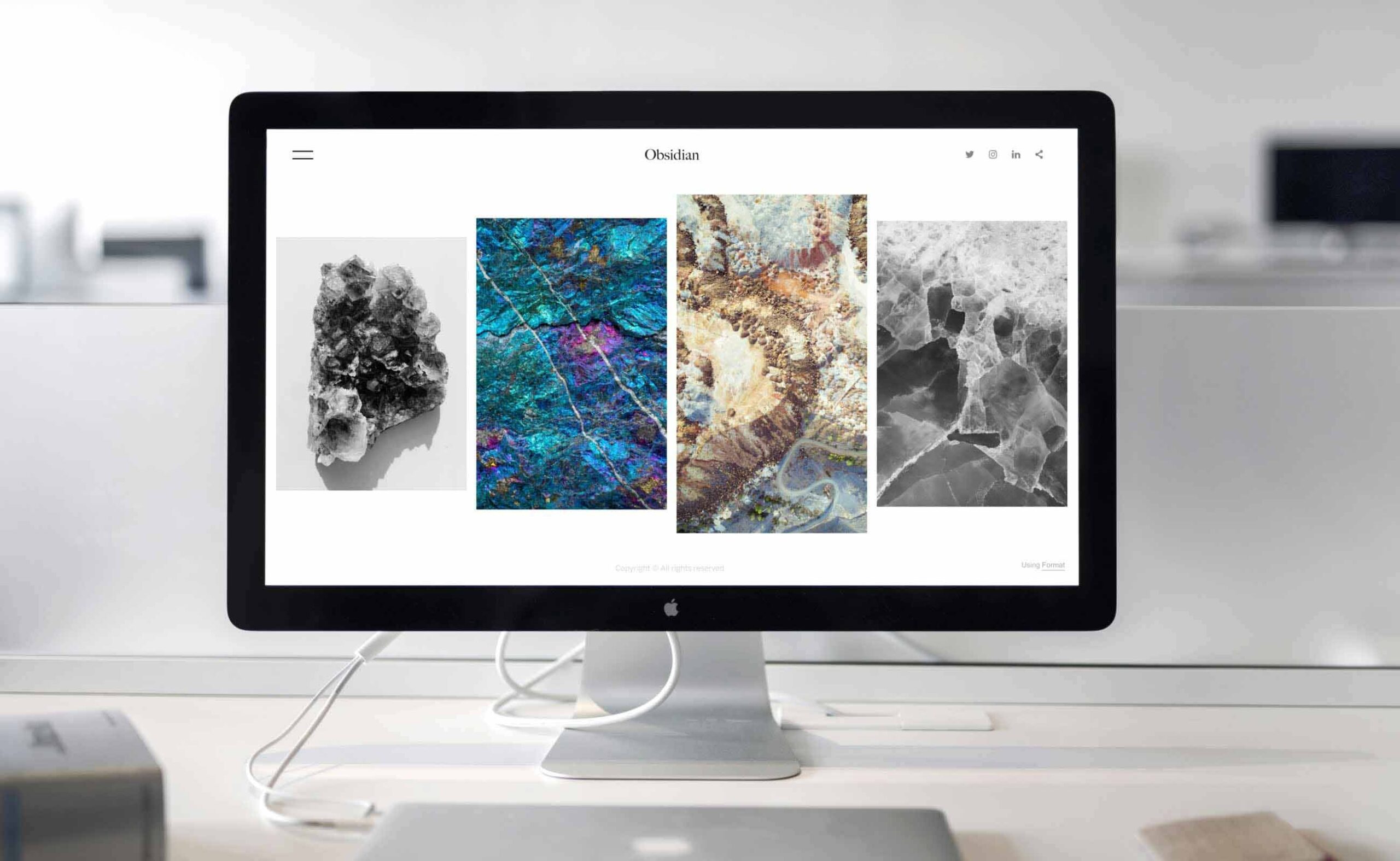
Responsive business website displayed on a desktop computer

No traffic. Visibility problem.

Traffic, no interest. Relevance problem.

Interest, no contact. Trust or friction problem.

Forms sent, no leads. Delivery or tracking problem.

Start with diagnosis

“The website does not work” is too broad to be useful.

An enquiry can fail before the visitor reaches the website, on the landing page, while trust is being built, at the contact step—or after the form has already been submitted.

That distinction matters because each failure needs a different fix. More SEO will not solve a form that never reaches the inbox. A redesign will not solve irrelevant traffic. A shorter form will not solve an offer nobody understands.

Before changing the website, identify the stage where the journey is breaking.

Discovery → relevance → trust. Action → delivery. Fix the broken stage first.

The five-stage website enquiry diagnostic

A visitor has to pass five tests before an enquiry becomes a real lead.

01 · Discovery

Can the right people find you?

If relevant customers are not arriving, the problem sits in SEO, advertising, referrals or another acquisition channel.

02 · Relevance

Do they immediately see a match?

The landing page must confirm the service, audience, problem and location or market quickly enough to justify staying.

03 · Trust

Is there enough evidence to believe you?

Claims need support through case studies, reviews, process, credentials, real imagery or other relevant proof.

04 · Action

Is contacting you easy enough?

Calls to action, forms, booking tools and phone links should remove unnecessary effort at the point of decision.

05 · Delivery

Does the enquiry actually arrive?

Forms, email routing, spam filtering, CRM integrations and response processes need testing—not assuming.

Traffic problem or conversion problem?

Do not optimise the wrong part of the funnel.

Low enquiry volume can come from too little relevant traffic, poor conversion of the traffic you already have, or both. Start with actual numbers rather than the feeling that the site is “quiet.”

Very few relevant visitors

Start with visibility: search demand, rankings, Google Business Profile, campaigns, referrals and whether the business is appearing for useful commercial searches.

Healthy traffic but very few enquiries

Investigate message clarity, landing-page relevance, trust, calls to action, form friction and technical delivery.

Enquiries exist but quality is poor

Review targeting, service positioning, pricing expectations, qualification language and the traffic sources sending people to the site.

You cannot tell which applies

Measurement is the first problem. Configure meaningful events before making expensive decisions from incomplete data.

1. The message is not clear enough

Visitors should not have to interpret what the business does.

Offer

What do you actually provide?

A broad statement such as “solutions for ambitious businesses” says very little unless the specific service is immediately obvious nearby.

Audience

Who is this for?

Useful specificity helps the right visitor recognise themselves and helps the wrong visitor self-select out.

Outcome

Why should they care?

Explain the practical improvement the service creates rather than relying only on internal process or feature language.

Difference

Why this business?

Distinctiveness needs evidence: specialist experience, approach, proof, local relevance or another credible reason to choose you.

Context

Where and how do you work?

For local or specialist services, location, delivery model and important constraints should not be hidden until the contact page.

Next step

What happens if I enquire?

Reducing uncertainty about the next conversation can make contact feel smaller and safer.

Responsive website design and conversion-focused web experience by LCMEDIA

A conversion path has to work across devices.

Message, proof and action should remain clear when the layout changes for mobile.

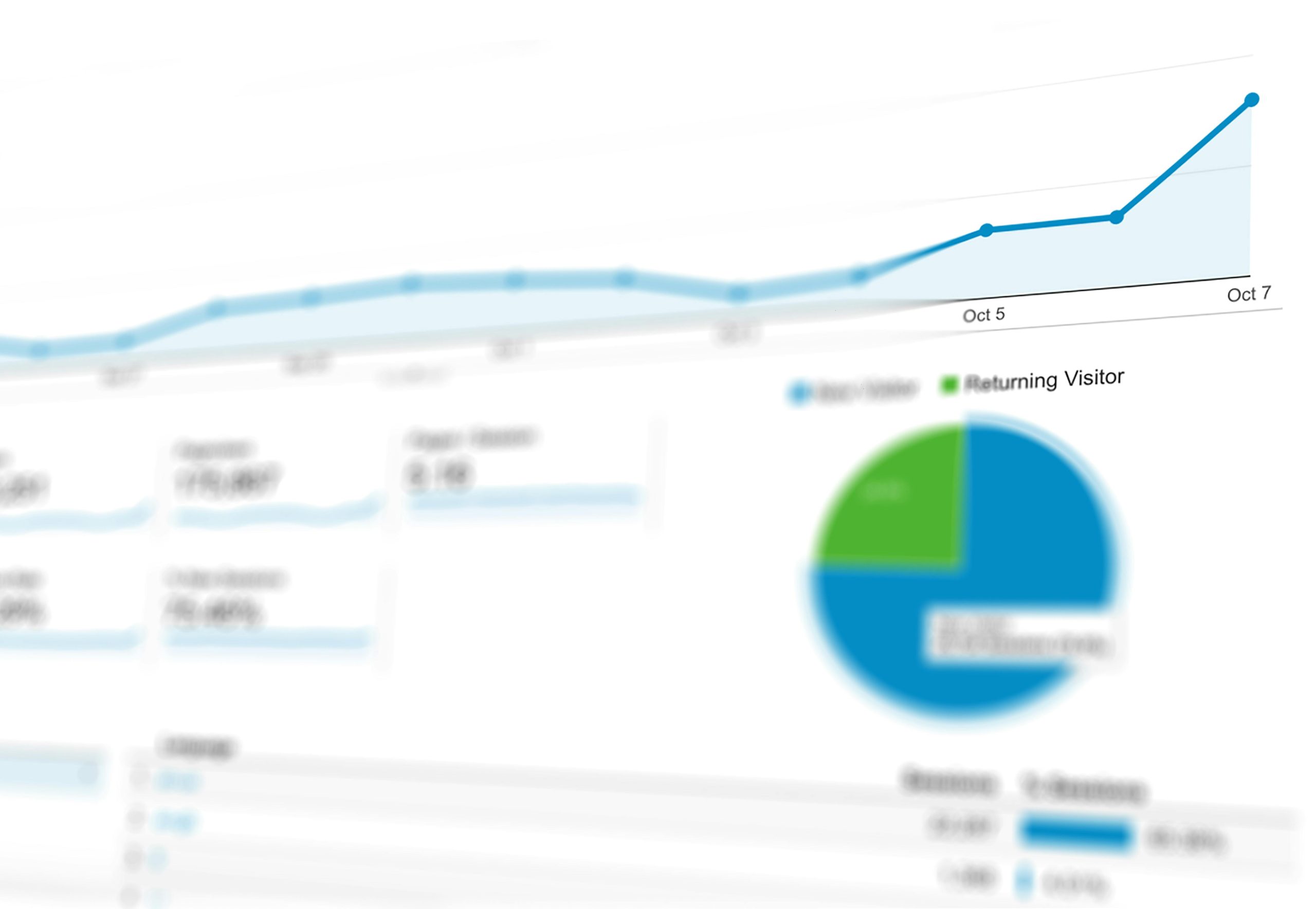
Marketing performance reporting and website conversion measurement

Measure before redesigning.

Traffic, events and enquiry delivery help identify whether the real problem is acquisition or conversion.

2. The site asks for trust before earning it

Claims create interest. Evidence reduces risk.

A potential client may understand the service perfectly and still hesitate because the website gives them no reason to believe the business can deliver it. Trust content should appear close to the decisions it supports rather than being hidden on one testimonial page.

Case studies

Show the problem, approach and real outcome rather than presenting a gallery with no commercial context.

Reviews and testimonials

Specific feedback is more persuasive than anonymous praise such as “great service.”

Real people and real work

Team, process, premises, project or product imagery can reduce the distance created by generic stock photography.

Credentials where relevant

Professional memberships, qualifications, years of experience or sector expertise should be used when they genuinely matter to the buying decision.

Clear business information

Contact details, location/service area, privacy information and an understandable company identity all help a business feel accountable.

3. The next step is vague, hidden or too large

A call to action should match the level of commitment the visitor is ready to make.

“Contact us” is not always wrong, but it often tells the user nothing about what happens next. A stronger action explains the purpose: request a quote, book a consultation, check availability or discuss the project.

Use one primary action per decision point

Too many equally weighted buttons force the user to decide how the website works before deciding whether to contact you.

Place actions after enough information

A CTA at the top can serve ready buyers, while later CTAs should follow relevant proof, service details or FAQs.

Explain the commitment

If the first call is complimentary, exploratory or not an obligation to buy, say so where that reassurance is useful and true.

Support different contact preferences selectively

Phone, form and booking options can help, but they should not create a cluttered wall of competing actions.

4. The enquiry form creates unnecessary work

Every field should justify the effort it asks from the visitor.

Large-scale ecommerce usability research consistently finds that form complexity and field count affect perceived difficulty. A service-business enquiry form is not a checkout, but the usability principle still applies: ask for what you actually need to start the next step.

Field count

Remove questions that can wait.

If budget, address, company size or detailed specification are not essential before the first conversation, consider whether they need to be mandatory.

Layout

Keep the reading order obvious.

Simple single-column flows are easier to understand than forms that make users visually zig-zag across unrelated fields.

Labels

Say exactly what the field expects.

Clear labels, required/optional states and useful examples reduce hesitation and unnecessary errors.

Errors

Help people recover immediately.

Validation should explain what needs correcting and preserve the information already entered rather than punishing the user with a reset.

Privacy

Do not create unnecessary anxiety.

If asking for sensitive or unusual information, explain why. Link to the relevant privacy information without turning the form into legal clutter.

Confirmation

Tell the user the submission worked.

A clear success state and expected next step reduce duplicate submissions and uncertainty about whether the enquiry was received.

5. Mobile or page experience is creating friction

A page can be technically responsive and still be unpleasant to use.

Large headings that consume the whole screen, shifting layouts, intrusive overlays, slow images, tiny controls and forms that fight the mobile keyboard all increase friction at exactly the moment a prospect is evaluating the business.

Google’s current guidance also recommends evaluating page experience as a whole rather than obsessing over one metric.

Google people-first and page-experience guidance →

Test on mobile data, not only office Wi-Fi

Heavy pages may feel acceptable on a fast desktop connection while becoming frustrating for actual mobile users.

Check layout stability

Buttons and text should not jump around while images, fonts or banners load.

Keep important content visible

Visitors should not have to close multiple overlays or scroll through decorative sections before reaching the service information.

Test every contact path on a real phone

Phone links, forms, calendar widgets and success states need end-to-end testing.

6. The website may be generating enquiries that never become visible

Test the plumbing before blaming the design.

Forms can fail silently, notifications can land in spam, integrations can break and phone-click tracking can disappear. A business can spend months “improving conversion” while leads are already being lost after submission.

Submit every form yourself

Test from desktop and mobile and verify the actual message arrives in the intended inbox or CRM.

Check spam and mail authentication

Notification delivery depends on email configuration as well as the form plugin or website.

Test CRM and automation handoffs

If the form sends data into another system, verify the record, source information and alerts survive the journey.

Test phone links and booking tools

Conversion paths outside the form can fail too, especially after platform or plugin updates.

Check response handling

A fast, clear website cannot compensate if genuine enquiries sit unanswered long enough for the prospect to choose somebody else.

Measure the journey before making conclusions

“We get traffic” is not enough data to diagnose conversion.

Traffic source

Where did the visitor come from?

Organic search, paid ads, social, referrals and direct traffic can produce very different levels of intent.

Landing page

Which page started the journey?

The homepage may not be the main conversion problem if most commercial visitors land directly on a service page.

Engagement

Where do people stop?

Use analytics alongside behaviour tools carefully to identify pages or steps where qualified visitors repeatedly abandon the journey.

Events

Track meaningful actions.

Form success, booking completion, phone clicks and important outbound actions should be measurable rather than inferred from page views.

Delivery

Reconcile analytics with real leads.

If analytics reports 20 form successes and the inbox has five, the problem is no longer theoretical.

Quality

Connect enquiries to business value.

A high conversion rate from irrelevant traffic can be less valuable than fewer enquiries from the right buyers.

What if you get enquiries, but they are the wrong enquiries?

Lead quality is also a website problem.

A site can technically “convert” while attracting poor-fit customers. That usually points to targeting and expectation problems rather than form design alone.

Clarify who the service is for

Industry, project type, geography, minimum scope or other genuine fit criteria can reduce wasted conversations.

Set realistic expectations

Explain process, timescale, delivery model and important constraints where they affect whether somebody is a suitable client.

Review the traffic source

Search terms or campaigns may be attracting people looking for a different product, lower price point or service area.

Use qualification carefully

Qualification questions can save time, but making the form too demanding can also deter strong leads. Ask only what genuinely changes the next step.

Optimise or rebuild?

A quiet enquiry inbox does not automatically mean you need a new website.

Optimise the existing site when…

The platform is stable, mobile behaviour is sound, the structure can support the right pages and the main problems are messaging, proof, CTA placement, form friction or measurement.

Consider a rebuild when…

The underlying architecture, mobile experience, CMS, technical debt or brand direction makes every improvement harder than rebuilding the foundation properly.

Do not redesign purely because it looks old.

An older-looking site can still perform if the message, proof and journey are strong. Visual age is evidence only when it is reducing trust or usability.

Do not preserve a bad structure because it is familiar.

If customers repeatedly struggle to understand services, navigate on mobile or complete the enquiry path, familiarity is not a reason to keep friction.

15-minute website enquiry health check

Before you spend anything, run these tests yourself.

This quick check will not replace a full conversion audit, but it can expose obvious failures that should be fixed before a redesign, ad campaign or SEO project begins.

Submit every enquiry form from your phone and verify the message arrives

Tap every phone number and booking button on mobile

Read the first screen of your homepage and key service page without scrolling—can you tell what is offered and for whom?

Ask someone unfamiliar with the business to explain what you do after 10 seconds on the site

Check whether the most important claims have proof nearby

Count the mandatory fields in the enquiry form and challenge each one

Load the site on mobile data and check for slow, shifting or blocked content

Confirm Analytics records form success, bookings or phone clicks

Check Search Console to see which queries and landing pages are actually bringing organic visitors

Compare real leads with recorded conversion events to make sure tracking and delivery agree

Conversion thinking in practice

Different businesses need different reasons to trust and act.

These LCMEDIA projects show how customer journeys change by sector: premium consultation, B2B service complexity and two-sided professional-service audiences.

Glamour Brides luxury bridal website and brand presentation

Premium retail · Reassurance

Glamour Brides

A digital journey built around trust before a high-consideration bridal consultation.

Globe Trading logistics website and brand presentation

B2B · Service clarity

Globe Trading

Complex logistics services reorganised around relevance, capability, confidence and enquiry.

Head Hunters recruitment brand presentation by LCMEDIA

Recruitment · Dual audience

Head Hunters

Employer and candidate journeys structured around different trust questions and actions.

Website enquiry FAQs

Questions businesses usually ask when the website is quiet.

The traffic may be irrelevant, the landing page may not match the visitor’s intent, the site may not create enough trust, the contact path may be too difficult, or the enquiry may be failing after submission. Diagnose those stages separately.

There is no universal number that applies to every service business. Conversion rates vary by traffic source, service price, buying cycle, brand strength, audience and what counts as a conversion. Establish your own baseline and improve the quality and volume of meaningful enquiries rather than chasing a generic benchmark.

If the site has very little relevant traffic, visibility needs attention. If it already attracts suitable visitors but few contact you, conversion deserves priority. Many businesses need both, but measurement should tell you where the biggest leak is.

Yes. Visual quality can improve trust, but a polished site can still have vague messaging, weak proof, poor landing-page relevance, hidden calls to action or a frustrating form.

There is no fixed ideal for every business. The practical rule is to ask only for information that is genuinely useful before the next step. If a question can wait until the first conversation, making it mandatory may create unnecessary friction.

They can help when they are specific, credible and relevant to the decision being made. Testimonials work best as part of a broader proof system alongside case studies, real work, process and business information.

Submit it yourself from multiple devices, verify the success message, check the destination inbox and spam folder, and confirm the record appears in any connected CRM or automation. Repeat this after major site or plugin changes.

Speed can remove friction, especially on mobile, but it cannot fix an unclear offer or weak trust. Treat performance as part of the overall user experience rather than a standalone conversion trick.

Not always. If the existing platform and architecture are sound, improvements to copy, hierarchy, proof, forms, CTAs and measurement may be enough. Rebuild when the foundation itself prevents efficient improvement.

Track successful form submissions, booking completions, relevant phone clicks and other meaningful actions in analytics, then reconcile those events with real enquiries. Search Console can help identify which organic queries and landing pages are bringing visitors before conversion.

Fix the stage that is actually failing

Conversion problems often cross website, SEO, brand and marketing.

Web & SEO

Improve structure, UX, landing pages, technical foundations and organic visibility.

Branding

Clarify positioning, identity and the reasons customers should trust the business.

Marketing

Improve traffic quality, message consistency and the journey from campaign to enquiry.

Insights

Explore related guidance on small-business websites and local SEO.

Want to find out where your website enquiry journey is breaking?

Do not buy more traffic until you know what happens to the traffic you already have

LCMEDIA can review the website, traffic path, message, trust signals and conversion journey to identify whether the next move should be optimisation, SEO, a clearer brand—or a rebuild of the underlying site.

Ready to make your business clearer, stronger and easier to choose?

Whether you need branding, a better website, stronger marketing or a more joined-up customer experience, we can help you work out what needs to change and what should happen next.