

Start with where the business is now
New brand, rebrand or rollout — the strategy changes with the problem.
Brand strategy & positioning
Give the brand something meaningful to stand for.
Brand strategy creates the logic behind the visual identity. We clarify what the business needs to communicate, who it needs to resonate with and how it should feel different from the alternatives customers are already comparing.
- Audience and competitor perspective
- Brand positioning and differentiation
- Core messaging and communication direction
- Brand personality and tone
- Creative direction before visual development


Visual identity design
Create a recognisable visual language, not just a logo.
The identity needs enough range to work across real situations while still feeling unmistakably like the same business. We build a system around the logo rather than leaving clients with a single mark and no clear way to use it.
- Primary logo and supporting logo variations
- Typography hierarchy
- Colour palette and usage principles
- Graphic devices and supporting visual elements
- Image and art-direction guidance
- Practical brand guidelines for consistent use
Brand rollout & application
Make the identity work where customers actually see it.
A brand becomes useful when it survives contact with the real world. We translate the identity into the practical materials a business needs so the same visual language carries through digital and physical touchpoints.
- Website and digital brand application
- Social media templates and campaign assets
- Business cards and stationery
- Brochures, menus and printed collateral
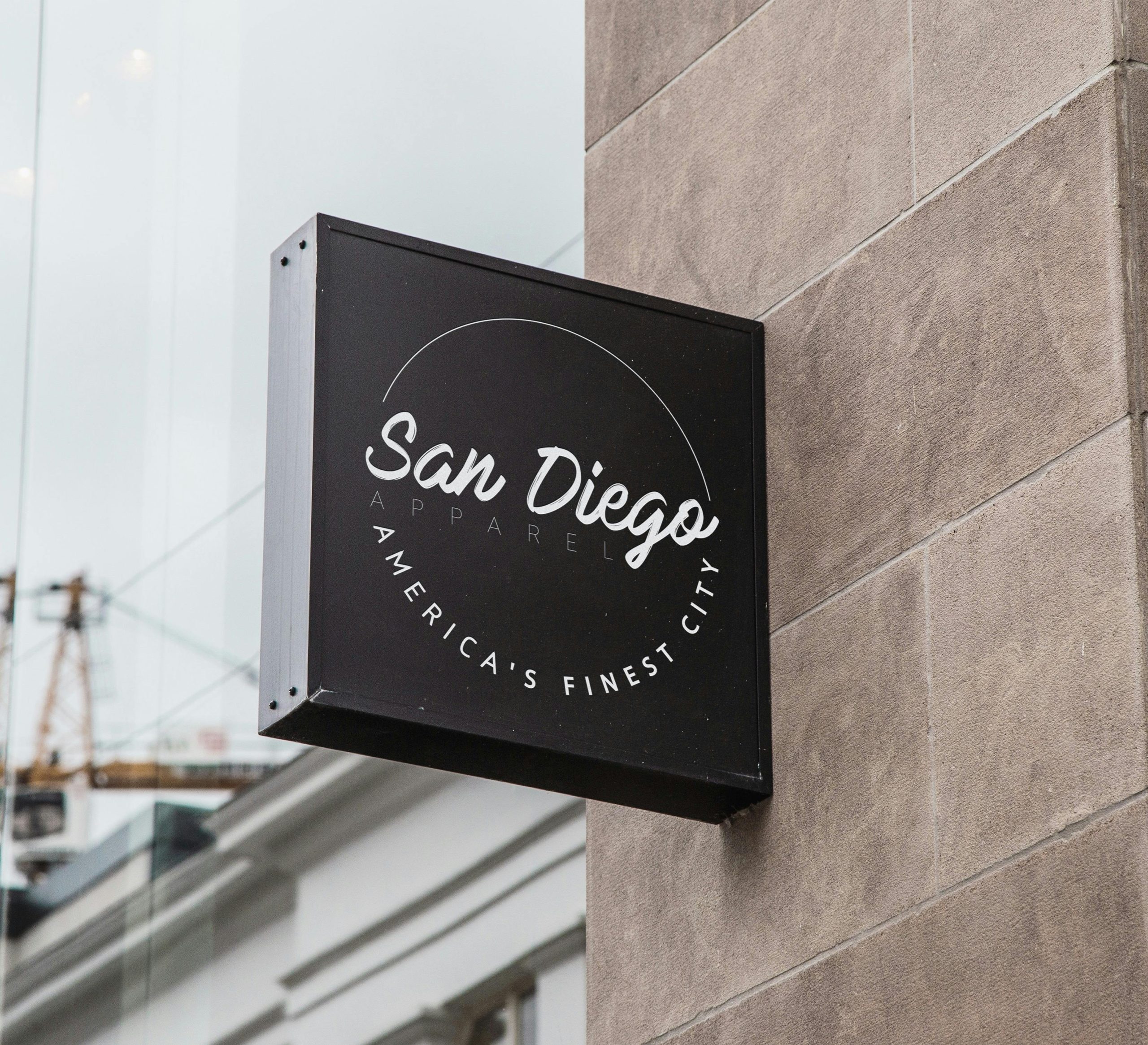
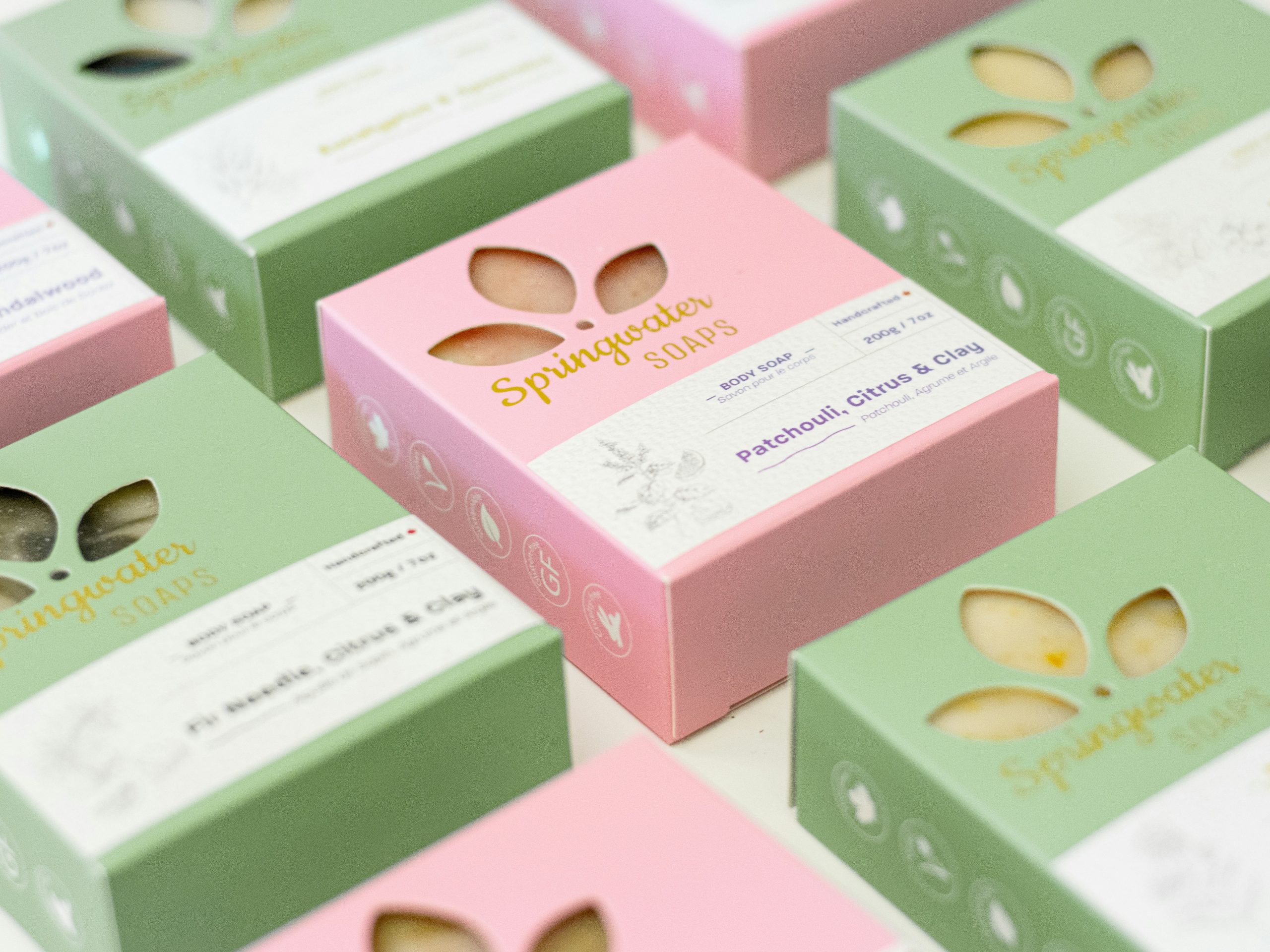
- Packaging, signage and customer-facing materials
- Ongoing creative support as the brand evolves
What makes a brand system useful
Six things we design for beyond the logo.
01 · Recognition
Distinctiveness
The identity should have enough character to be recognised without relying on the business name every time.
02 · Clarity
Positioning
Customers should understand what kind of business they are dealing with and why it is relevant to them.
03 · Consistency
A repeatable system
Colours, type, imagery and layouts should work together consistently across different channels and formats.
04 · Flexibility
Room to grow
The identity needs enough range for social, web, print, packaging and future applications without becoming fragmented.
05 · Credibility
Visual confidence
Design quality should support the perceived quality of the product or service rather than quietly undermining it.
06 · Usability
Practical guidance
A brand should be usable by the people running the business, not dependent on the original designer for every small decision.
Selected identity work
Different businesses need different visual languages.


Branding works better when the business understands what it is buying.